Book Appointment Now
Natural-Looking Restoration
Implant-supported restorations can be designed to complement the appearance of your natural teeth.

Dental implants can provide a stable, functional and natural-looking way to replace missing teeth. At Advanced Dental Care & Maxillofacial Centre, implant care begins with careful assessment and personalized treatment planning.
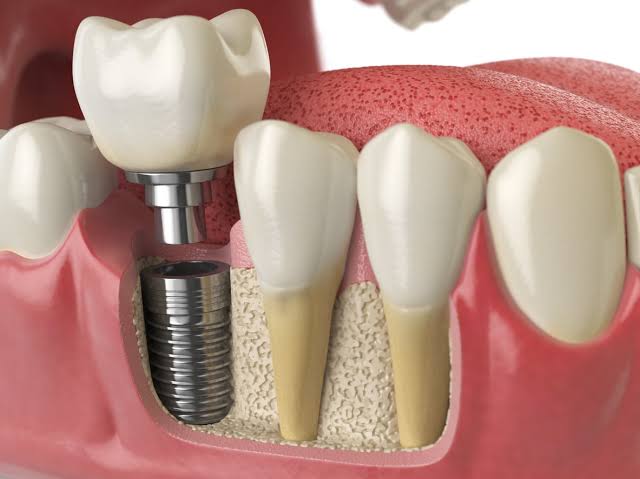
A dental implant is a replacement for the root of a missing tooth. It can support a dental crown, bridge or other restoration, depending on the patient's individual requirements.
Implant treatment is not the same for every patient. Bone condition, oral health, the number of missing teeth and the desired restoration are among the factors that may influence treatment planning.
A consultation allows the dental team to evaluate your condition and discuss the appropriate options for your situation.
Depending on individual circumstances, implant- supported restorations can help restore oral function and contribute to a complete smile.
Implant-supported restorations can be designed to complement the appearance of your natural teeth.
A suitable implant-supported restoration can help restore everyday functions such as chewing.
Dental implants can provide a stable foundation for an appropriate dental restoration.
Treatment can be planned around the number and location of missing teeth and the overall condition of the mouth.
Proper assessment, restoration and ongoing oral care are important parts of maintaining implant-supported treatment.
Your suitability for implants can be assessed as part of a complete dental examination and treatment plan.
Dental implant treatment typically involves several stages. The exact sequence and duration depend on the patient's condition, treatment plan and healing requirements.
Your dental concerns, medical history and oral condition are evaluated to understand your treatment requirements.
Appropriate clinical and diagnostic evaluation helps assess the teeth, gums, bone and surrounding structures.
The appropriate implant and restoration approach is discussed based on your individual dental needs.
The planned implant procedure and subsequent restoration are carried out according to the clinical plan.
Follow-up care and good oral hygiene support the long-term maintenance of the implant-supported restoration.
Dental implants may be considered for different types of tooth loss, but suitability depends on your oral and overall health and clinical assessment.
Several factors can influence whether implant treatment is appropriate and how it should be planned.
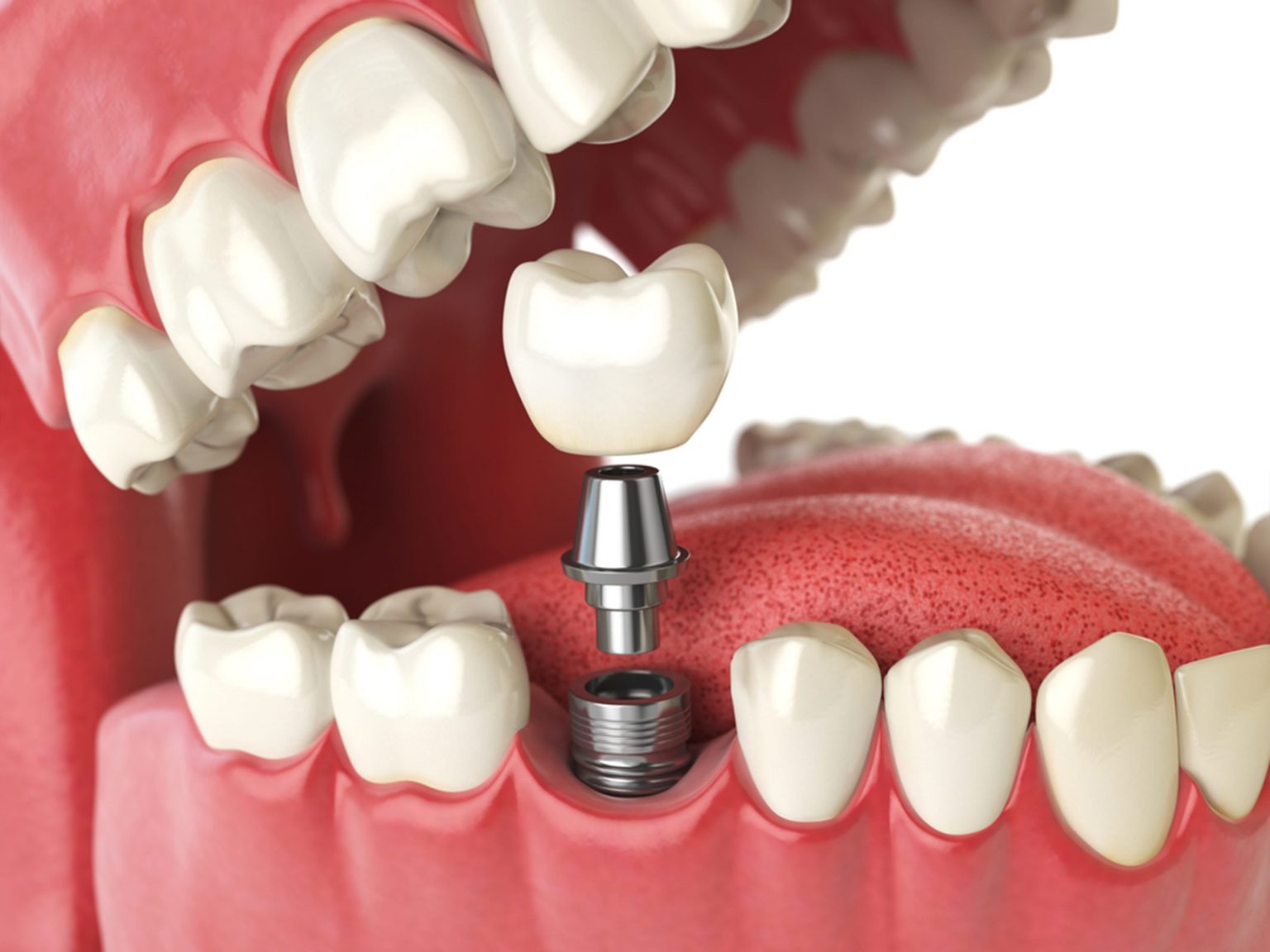
Implant treatment involves more than replacing a missing tooth. Careful diagnosis, restoration planning and consideration of the surrounding oral structures are important parts of the process.
A dental implant is a replacement for the root of a missing tooth. It can support a crown, bridge or other appropriate dental restoration.
Suitability varies from patient to patient. Oral health, bone condition, the location and number of missing teeth and individual treatment requirements are among the factors that may be considered during evaluation.
The treatment timeline varies depending on the patient's condition, the planned restoration, healing requirements and whether additional procedures are needed. Your treatment timeline can be discussed during consultation.
Not every patient is an immediate candidate for implant treatment. A clinical evaluation is necessary to determine whether implants are appropriate and whether any preparatory care is required.
The first step is a consultation and clinical assessment. This allows your dental condition and treatment requirements to be evaluated before discussing suitable options.
Schedule a consultation to understand your options and find out whether dental implant treatment is appropriate for your individual needs.
Book an Appointment