Book Appointment Now


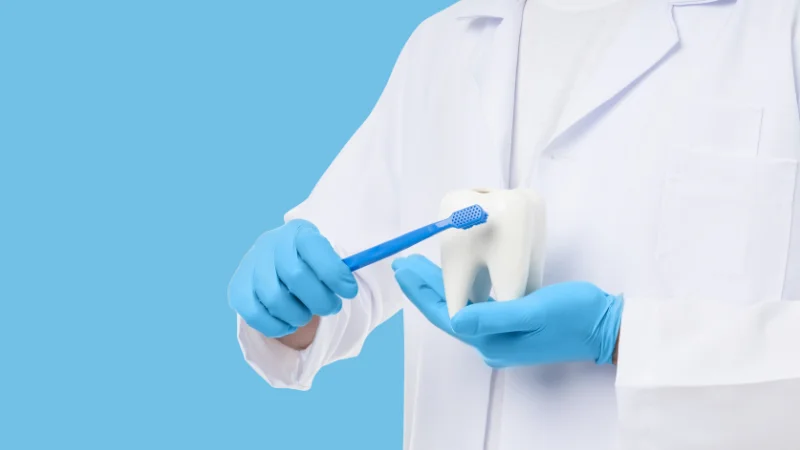
Maintaining good oral health becomes especially important with age. As older adults may experience gum disease, tooth decay, dry mouth, tooth loss, and sensitive teeth.
These dental problems can make eating, speaking, and everyday activities uncomfortable while affecting overall quality of life. However, ageing does not mean losing your natural teeth. Following good oral hygiene practices, eating a balanced diet, caring for dentures, managing dry mouth, and visiting the dentist regularly can help prevent common dental issues.
With proper care and timely treatment, older adults can maintain healthy teeth and gums, improve comfort, and enjoy a confident smile at every stage of life.
Why Is Dental Care Important for Older Adults?
Good oral health helps older people to eat, speak and smile with confidence. If their teeth and mouth are painful or infected, they may find it difficult to eat nutritious food and can become embarrassed to show off their smile. Early detection of oral health problems through regular dental visits can help to deal with them quickly.
Ageing does not automatically mean losing teeth.With proper care and guidance from your dentist, many older people are able to keep their own teeth for the rest of their lives.
1. Brush Your Teeth Twice a Day
Use a soft-bristled toothbrush to clean teeth gently. Brush teeth with fluoride toothpaste twice daily to remove plaque and prevent tooth decay and gum disease.
If you have problems with your hands due to arthritis, for example, or you are unable to clean your teeth in the normal way, an electric toothbrush or a toothbrush with a longer handle may be more suitable. Clean all surfaces of all your teeth for about two minutes, including the gums.
2. Clean Between Your Teeth Daily
Food particles and plaque can get stuck between your teeth and can even get under your dental bridges or between your implants. Daily cleaning of these areas using dental floss or interdental brushes can help to prevent gum inflammation and tooth decay.
Using a special interdental brush or floss for people with dental bridges, implants or gaps between their teeth may be helpful. The dentist can recommend the best products for you.
3. Manage Dry Mouth
Dry mouth or xerostomia is very common in older people. It can be caused by certain drugs as well as by medical conditions. Saliva protects teeth by washing away food particles and by buffering acids. Still, teeth that are exposed to less saliva are more prone to decay, mouth lesions, off-odoring breath and general mouth discomfort.
Stay hydrated by drinking plenty of water. If you get dry mouth you can try sugar-free gum or sugar-free confectionery such as lozenges. Avoid tobacco, alcohol and caffeine as these can make dry mouth worse. If your dry mouth persists, see your dentist or doctor. Do not stop taking any prescribed medicines without consulting your doctor or pharmacist first.
4. Maintain a Healthy Diet
Eating a healthy balanced diet will help to ensure your teeth and gums stay healthy. These nutrients can be found in vegetables and fruits, as well as in dairy products, eggs and other foods containing calcium, vitamin D and protein.
Many sweet foods and drinks contain high amounts of sugar which can increase the risk of tooth decay. Where people have difficulty chewing foods it is better to choose soft foods that are nutritious rather than sugary or processed.
5. Care for Dentures Properly
Clean your dentures daily to remove food and plaque. Remove your dentures at night unless your dentist advises you otherwise and clean them according to their instructions. Clean your gums, tongue and remaining natural teeth every day.
Clean your gums, tongue, and teeth daily. An ill-fitting denture can cause pain, sores, and difficulty consuming food. Dentures that are loose, cracked, broken or sore should be examined by your dentist. Never try to adjust a denture yourself.
6. Visit Your Dentist Regularly
Regular dental check-ups will help your dentist detect tooth decay, gum disease, and other oral health problems before they become serious. Depending on your oral health your dentist may recommend a number of preventive dental treatments including a scale and polish, a fluoride treatment and more.
Missing teeth or wearing dentures is no excuse for not going to the dentist for an examination. As with everyone, the oral health of older people needs to be checked regularly.
7. Watch for Warning Signs
Bleeding gums, persistent bad breath, loose teeth, mouth sores, pain in jaw and difficulties with chewing and swallowing need a dentist’s assessment as they could indicate oral disease.
An ulcer, lump, red or white patch in the mouth which does not heal within two to three weeks should be checked promptly by a dentist.
Acknowledging warning signs early and seeking dental care can help prevent oral health problems at the elderly age and support overall well-being.
Conclusion
Dental care in older people is important to maintain comfort, to enable proper nutrition and to promote good quality of life. Oral care, a healthy diet, clean teeth, dentures that fit well and regular checks by the dentist can prevent problems with oral health that occur frequently in older people.
Early dental attention can help preserve natural teeth and make the older adult more comfortable while helping them to have a healthier smile at every age. This is the responsibility of the older adult and their caregiver to make oral hygiene a daily priority.