Book Appointment Now


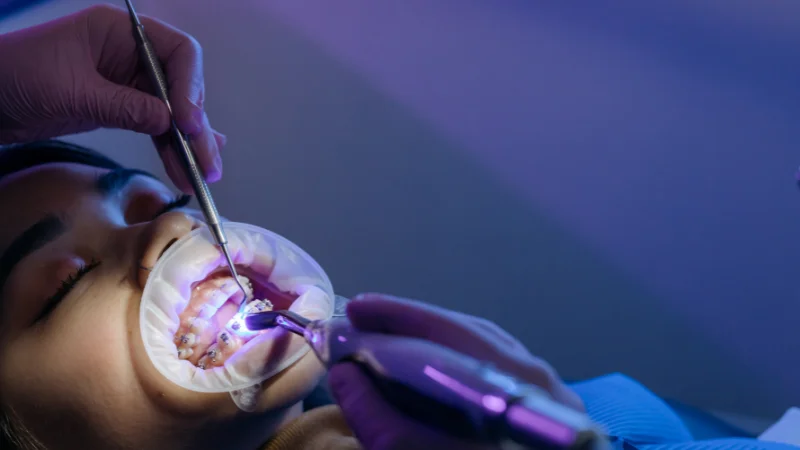
Oral and maxillofacial surgery is a special field in the dentistry field. Oral and maxillofacial surgeons are able to diagnose and treat any abnormality in the mouth, teeth, jaw, face and the surrounding areas. Problems treated by the oral and maxillofacial surgeons include problems with wisdom teeth that don’t have enough room to come in, growths and abnormalities of the jaw, injuries to the face and oral cysts. Treatment for many of these conditions can range from a simple procedure to a more complex operation.
Understanding the scope of the oral and maxillofacial surgery specialty will enable you to recognize the situations that require a specialist and what to expect from your treatment.
What Does Oral and Maxillofacial Surgery Mean?
The term “oral” refers to the mouth, and “maxillofacial” refers to the jaws and face. Therefore, the specialty of oral and maxillofacial surgery is a combination of dental knowledge and surgical techniques to manage a wide variety of problems in these regions.
Oral and maxillofacial surgeons complete additional training to deal with complex dental and facial issues. They may work with dentists, orthodontists, and other medical specialists as needed.
Common Types of Oral and Maxillofacial Surgery
Oral & maxillofacial surgery is a specialty of dentistry that provides the most advanced treatment of oral and facial surgery. The recommended treatment depends on the condition, clinical findings and radiographic images.
1. Wisdom Tooth Removal
The wisdom teeth are the last molars in the dental arch to emerge. They generally come in late in the teenage years or early in the twenties. Sometimes there is not enough room for the wisdom teeth to come in properly and they become impacted under the gum and/or jawbone.
The removed wisdom teeth can cause pain, swelling, infection or can even be harmful to the adjacent teeth. The removal of wisdom teeth is indicated in cases when it is clinically necessary. Dental X-rays are taken before the removal of the wisdom teeth in order to locate them properly.
2. Dental Implant Surgery
Dental implants are used to replace missing teeth, and are anchored into the jawbone to support crowns, bridges or other dental work.
Dental implant placement can be a complex procedure and typically is performed by an oral and maxillofacial surgeon. When placing implants, the surgeon takes into account the patient’s needs, bone structure, gum issues, and the patient’s overall medical condition.
3. Corrective Jaw Surgery
Sometimes jaw alignment can affect chewing, speech, the appearance of the face and the way the upper and lower teeth fit together. In some cases, these problems cannot be adequately corrected by orthodontic treatment and require corrective jaw surgery.
It’s also known as orthognathic surgery and can involve moving the upper jaw, the lower jaw or both. The treatment of jaw alignment problems is nearly always a multi-disciplinary affair involving an oral surgeon and an orthodontist.
4. Treatment of Facial Injuries
Oral and maxillofacial surgeons are able to treat facial injuries. These can be caused by accidents, falls or sports injuries and can include fractures to the facial bones. The treatment for such injuries may include simple observation or even stabilization of the affected bone(s).
NOTE: Significant facial injuries need prompt assessment by a medical doctor especially if they are accompanied by severe bleeding, change in vision or by difficulty in breathing.
5. Oral Cysts and Other Conditions
Oral cysts and other oral diseases can occur in the jaw or in the soft tissues of the mouth. To establish the correct diagnosis, imaging, removal of the cyst or of the affected tissue or a biopsy may be necessary. Treatment then can be specific to the diagnosed condition.
Oral and maxillofacial surgery addresses various conditions affecting the mouth, jaw, and face. Proper evaluation and diagnosis help determine the right treatment and ensure appropriate care for each patient.
When Should You Consult an Oral and Maxillofacial Surgeon?
If you have persistent wisdom tooth pain, recurrent swelling, difficulty opening your mouth, uneven jaw growth or a facial injury a specialist consultation is indicated.
Your dentist will refer you to a specialist if imaging reveals an impacted tooth or a wisdom tooth related condition such as a cyst, which would require surgical management.
Please seek urgent medical help if you have a serious facial injury, are bleeding that cannot be stopped, or if you have developed swelling that may cause breathing or swallowing problems.
What Happens During the Treatment Process?
The treatment usually starts with a consultation. Here the specialist examines your teeth, reviews your medical history, discusses your symptoms and treats any existing problems. He might also take dental X-rays or other images.
The possible treatment for a patient’s specific problem is described in detail by the specialist. This will include a description of the proposed treatment, any possible complications, alternative treatments and the patient’s recovery. Treatment can be carried out under local anaesthesia, sedation or, depending on the patient’s specific needs.
After the treatment, you will receive instructions regarding oral hygiene, dietary needs, use of any prescribed medication, activity levels and return visits to the clinic. The recovery time varies between individual cases and different dental treatments.
Is Oral and Maxillofacial Surgery Safe?
As with any surgery, there are risks and complications associated with oral and maxillofacial surgery. This can include bleeding, infection, swelling, pain and anaesthetic complications. There are also some procedures which may cause damage to nerves.
The risk of complications depends on the procedure, patient’s general health and the complexity of the conditions. The oral and maxillofacial surgeon can explain the possible risks and the measures to be taken to prevent them.
Conclusion
Oral and maxillofacial surgery deals with the oral region including the teeth and face. Problems such as impacted wisdom teeth, dental implants, facial injuries and corrective jaw surgery can often require surgical intervention.
Consult a dentist first if you are suffering from long-lasting dental pain, jaw dysfunctions or facial injuries. A proper examination can reveal if specialist treatment is required and which kind of treatment is appropriate for your case.